Understanding Agentic AI: What is it and How Does it Work?
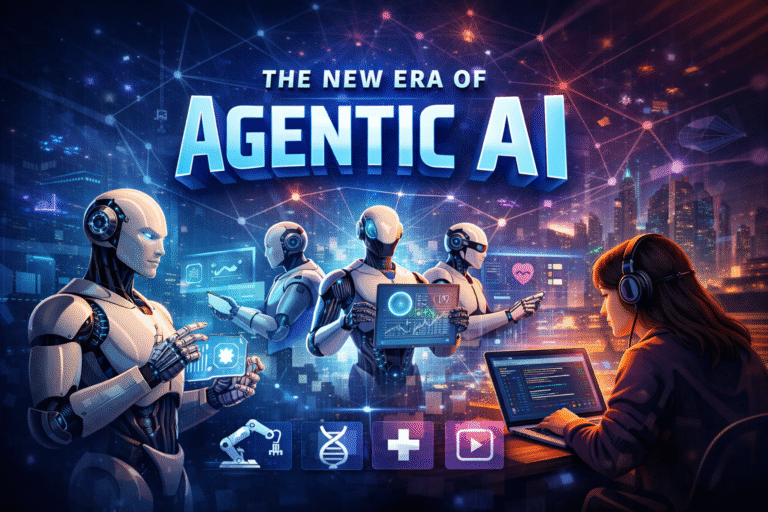
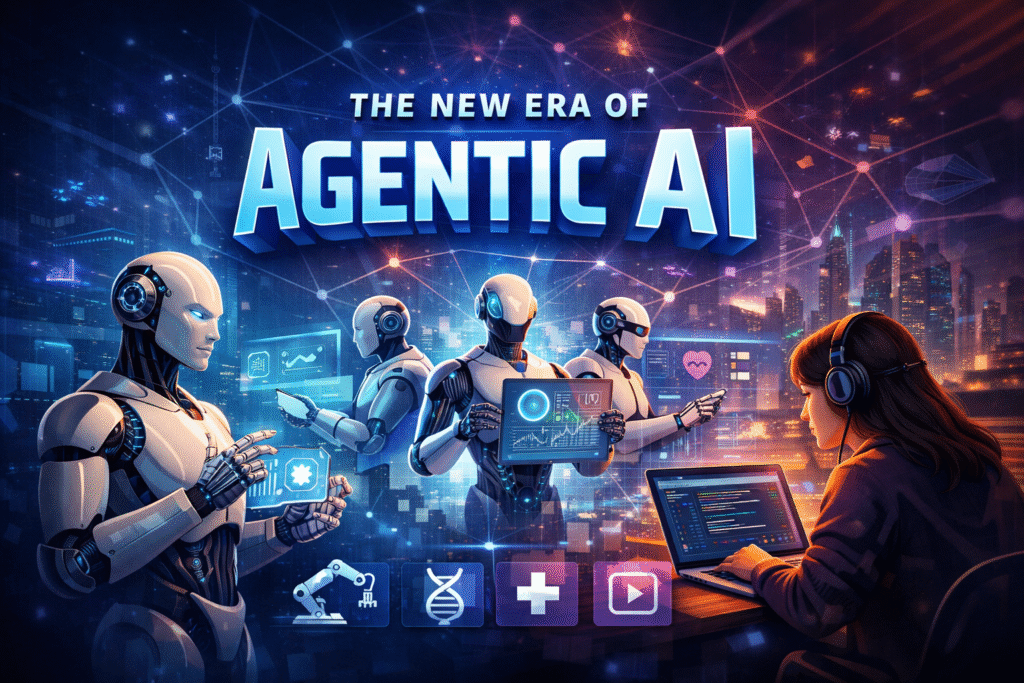
Agentic AI refers to a subset of artificial intelligence that exhibits the ability to make autonomous decisions and perform tasks independently, resembling human-like agency. This concept is built upon advanced algorithms and machine learning models that enable AI systems to evaluate their environments, draw inferences, and execute actions based on the data they process. At its core, agentic AI encompasses intelligent agents that operate with a degree of autonomy, allowing them to adapt and respond to changing circumstances without requiring constant human oversight.
The operation of agentic AI involves several key principles. First, these systems rely on sensors and data inputs that help them perceive their surroundings. For instance, an AI-driven robot may utilize cameras and microphones to gather information about its environment. Next, it processes this information using sophisticated algorithms that can analyze patterns, recognize objects, and understand context. This process is often facilitated by machine learning, where the system improves its performance over time through experience.
Once the AI has processed the available data, it can make informed decisions. This decision-making capability is a hallmark of agentic AI; it enables systems to weigh various outcomes and select courses of action autonomously. For example, in a self-driving vehicle, the AI must continuously evaluate traffic patterns and obstacles, making real-time decisions to navigate safely. Such technologies are transforming industries by offering efficiency and innovation, underscoring the significance of understanding agentic AI and its implications.
The Impact of Agentic AI on Various Industries
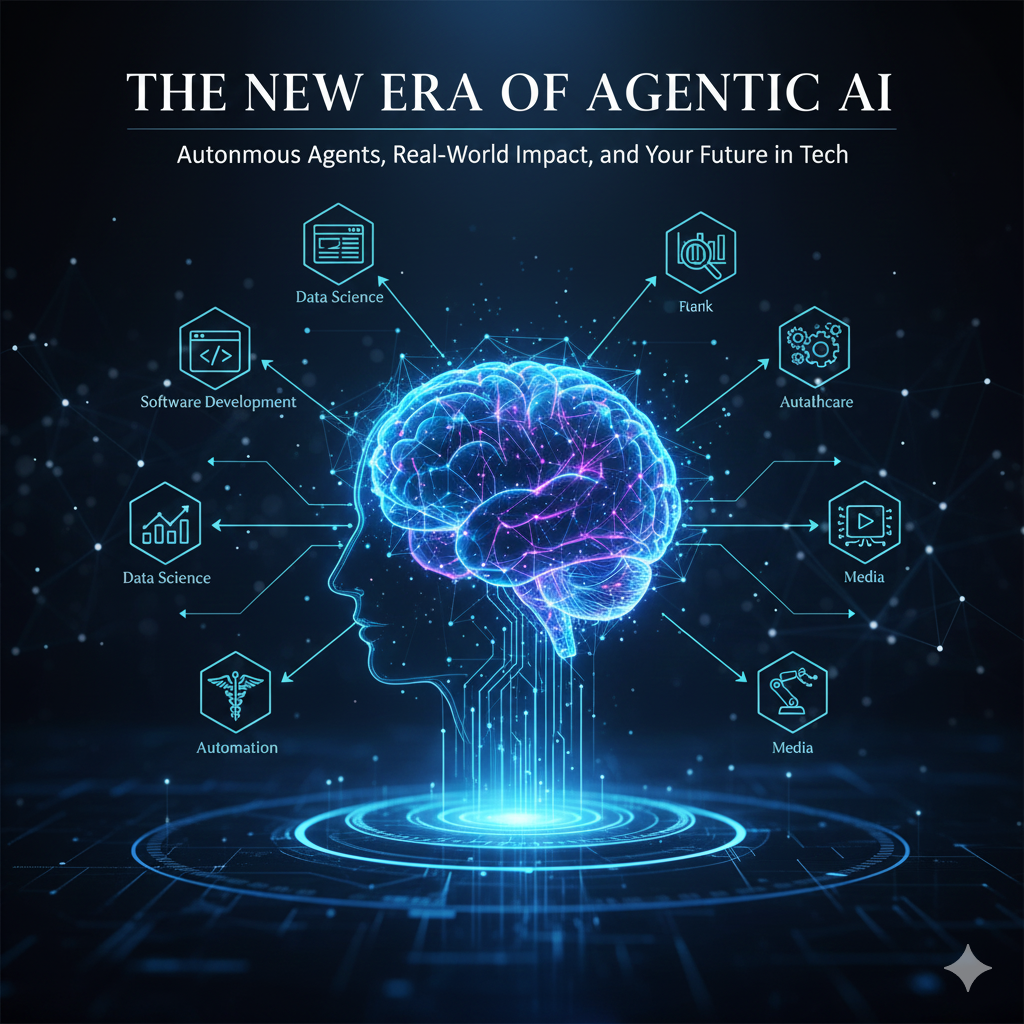
Agentic AI is transforming a multitude of industries by enabling more efficient processes, enriching decision-making, and enhancing overall productivity. One of the sectors experiencing a significant shift is software development, where AI algorithms can autonomously generate code, test applications, and even detect bugs. For instance, platforms like GitHub Copilot utilize agentic AI to assist developers by suggesting code snippets, thereby accelerating the development cycle and improving software quality.
In the realm of data science, agentic AI is streamlining data analysis and interpretation. Tools powered by machine learning can process massive datasets, uncover hidden patterns, and provide actionable insights that were previously difficult to obtain. For example, companies like Google use agentic AI to optimize their ad targeting and content recommendations, significantly increasing engagement and conversion rates.
Automation represents another key area where agentic AI is making strides. Through intelligent automation solutions, organizations can reduce human error and increase efficiency. An illustration of this is seen in the manufacturing industry, where robotic process automation (RPA) systems, enhanced by agentic AI, automate repetitive tasks, enabling human workers to focus on more complex and creative challenges.
Healthcare also stands to benefit immensely from agentic AI technologies. AI-driven diagnostic tools can analyze medical imagery with high accuracy, assisting healthcare professionals in diagnosing conditions earlier and more reliably. For instance, applications like Aidoc use agentic AI for the analysis of medical scans, providing radiologists with prioritization and support in acute cases, ultimately improving patient outcomes.
Lastly, the media industry is witnessing a revolution as agentic AI curates personalized content and automates news reporting. News agencies leverage AI to tailor content based on viewer preferences, optimizing audience engagement. Companies like Reuters deploy AI to generate timely news updates from massive datasets, demonstrating the profound influence of agentic AI on information dissemination.
The Advantages, Challenges, and Future Potential of Agentic AI
Agentic AI presents numerous advantages that are poised to transform business processes across various sectors. One of the primary benefits is increased efficiency, as these intelligent systems can perform tasks at a speed and accuracy that surpasses human capabilities. By automating routine activities and complex analyses, agentic AI allows organizations to reallocate their resources towards more strategic initiatives, enhancing overall productivity.
Additionally, the enhanced decision-making capabilities offered by agentic AI are noteworthy. By leveraging vast amounts of data and sophisticated algorithms, these systems can provide insights that are often missed by human analysts. This data-driven approach facilitates informed decisions, ultimately leading to improved outcomes in areas such as marketing, finance, and supply chain management. Furthermore, agentic AI can enhance collaboration within teams by providing real-time data access and facilitating communication, creating a more interconnected work environment.
However, the deployment of agentic AI is not without its challenges. Ethical considerations arise, particularly concerning data privacy and the potential for bias in algorithmic decision-making. Organizations must develop robust governance frameworks to ensure that the use of AI aligns with ethical standards and societal values. Additionally, there is a growing concern about job displacement as AI systems take over tasks traditionally performed by humans. While this presents a challenge, it also opens up opportunities for workers to transition into roles that require more complex skills.
Looking ahead, the future potential of agentic AI is vast. As technology advances, it is likely to shape the landscape of career opportunities in tech and beyond, emphasizing the need for continuous education and adaptation. Industries that embrace agentic AI will not only gain a competitive edge but also foster an environment where human and artificial intelligence can coexist and enhance one another.
Join the Future of Tech: Internship Opportunities in AI and Data Science
As the fields of artificial intelligence, machine learning, and data science continue to expand, the demand for skilled professionals is at an all-time high. This has led to a proliferation of internship opportunities that cater specifically to those eager to enter these transformative sectors. Internships in AI and data science provide not only valuable hands-on training but also exposure to cutting-edge technologies that are reshaping industries.
Participating in an internship offers practical experience on real-world projects, allowing interns to apply theoretical knowledge in actionable ways. This can significantly enhance an intern’s understanding of complex concepts, ranging from algorithm development to data analysis techniques. Moreover, interns are often mentored by seasoned professionals, gaining insights that are not easily accessible through coursework alone. This mentorship can prove invaluable, as it helps shape the intern’s career trajectory and provides networking opportunities with industry leaders.
Additionally, many organizations offer certification upon completion of their internship programs. These credentials are increasingly recognized in the industry and can provide a competitive edge in a crowded job market. Certifications demonstrate to potential employers that the intern has engaged in rigorous training and possesses the requisite skills to contribute effectively to their teams.
With the rapid pace of innovation in AI and data science, now is the perfect time to seek an internship to jumpstart your career. If you are ready to join the future of technology, consider applying for available internship opportunities. Engage in hands-on projects, gain mentorship, and secure a certification that can elevate your professional profile. Apply Now to take the first step towards an exciting career in the evolving landscape of artificial intelligence and data science.